

Early tax filing
- R. Nicole

- Feb 11, 2020
- 4 min read
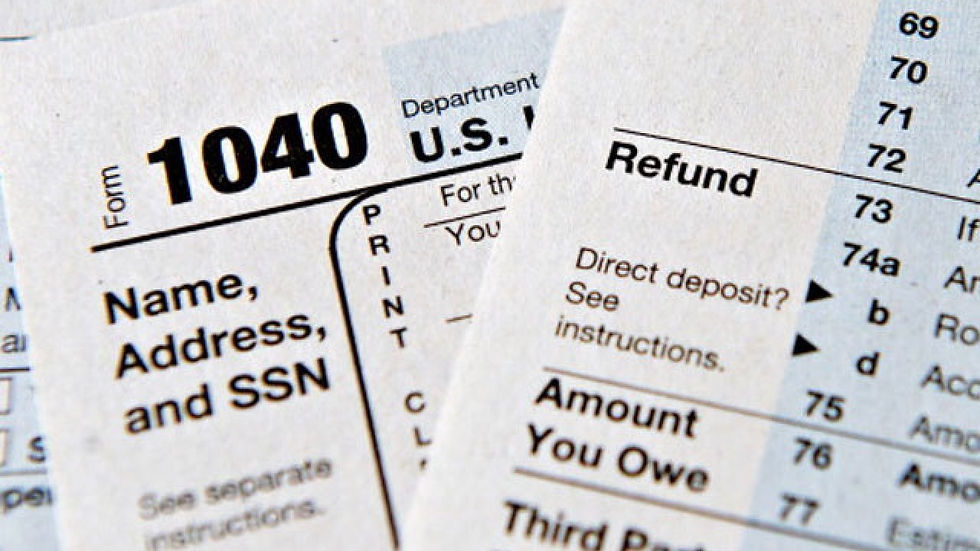
Tax season is here. Some might have already pre-file to get loans. The arrival of tax forms are arriving in inboxes and mailboxes. Tackling your 2019 tax return may be a dreaded chore because of complexity or the prospect of owing additional tax or a welcome event because you are due a refund. Either way, getting started early may help make your tax-filing season less stressful and potentially save you some money. Beginning your tax preparation now may help you avoid surprises, give you more time to gather your documents, reduce your taxable income, and even protect you from identity theft.
Here are 4 reasons to get a start on your 2019 tax return now rather than later
1. Protect yourself from identity theft! Filing your tax return as soon as possible is one of the best ways to guard against tax-related identity theft. For the scheme to be successful, a criminal files a fraudulent return and collects a refund in your name before you file your return. If you file your legitimate return before a crook tries to file one for you, the fraudulent return is rejected. If you haven't received the necessary tax documents from an employer, financial institution, charity, or some other source, be proactive and ask for them. On the other hand, if you owe a payment with your return and you need time to raise the money, you can file your return early and instruct the Internal Revenue Service (IRS) to deduct the amount from your bank account or debit card, or charge your credit card, on a specified date—right up until the filing deadline. (The has been extended to deadline July 15, 2020, for your 2019 taxes.)
2. Lower your taxable income!
You have several options for potentially reducing your taxable income with a contribution to a tax-advantaged account up until the tax deadline. The sooner you make a contribution, however, the sooner you'll be able to invest your contribution and give that money the chance to grow tax-deferred. One opportunity available to many taxpayers is a contribution to a traditional IRA. A contribution to a traditional IRA may reduce taxable income and, in turn, 2019 taxes for those eligible for the tax deduction.
***please noted that- the tax-deductible contribution limit for the 2019 tax year is $6,000. For those who are age 50 and over, the limit is $7,000.It isn't necessary to have a job to have a traditional IRA. A nonworking spouse, as long as their spouse has earned income, can contribute to a Roth or traditional IRA. The amount of a married couple's combined contributions can't be more than the earned compensation reported on their joint return.
Self-employed individuals and freelancers can open a Simplified Employee Pension plan—more commonly known as a SEP IRA—even if they also have a full-time job as an employee. Those who earn money freelancing or running a small business on the side could take advantage of the potential tax benefits from your side gig. With a SEP IRA, contributions may be tax-deductible, just like with a traditional IRA, but the SEP IRA has a much higher contribution limit. The contribution amount varies based on income. For 2019, the contribution limit is 25% of eligible compensation (or 20% of eligible compensation for the self-employed2) or $56,000, whichever is lower. The deadline for 2019 contributions is the tax deadline—April 15, 2020. If you file an extension, you'll have until October 15, 2020, to make the contribution for 2019.Consider speaking with a tax advisor to determine the impact of SEP IRA contributions on the tax deductibility of contributions to a traditional IRA in the context of your personal situation.
3. Review your 2018 tax return when you look back at your 2018 tax return can give you a great head start on what you'll need in order to prepare your return for 2019. You can see which financial institutions should be sending you tax documents, which charities you might have contributed to, and which deductions you might again be eligible to claim. Here's another benefit to taking time to review your 2018 return: If you spot an error, you can file an amended return and possibly get back some money you thought was long gone, Catch errors in tax documents. Tax preparation software is great at filling out forms and calculating your tax liability, but it doesn't always spot reporting errors in tax documents sent to you. Unless you catch them yourself, they could significantly impact your tax bill.
For example, suppose you received money from a lawsuit settlement or a sweepstakes prize and it was reported on a Form 1099-MISC. The amount should appear in Box 3, "Other income," but if the issuer mistakenly placed it in Box 7, "Nonemployee compensation," it would be considered self-employment income and subject to an additional 15.3% self-employment tax.
Another example is Box 7 on Form 1099-R, which may contain a letter or number code as well as a check box for IRA, SEP, or SIMPLE distributions. The entries can make a difference in how you report the distributions
4.Take into account significant life events
Answer the following questions: Did you Get married? Have a child? Divorced? Retired? Bought a new home? All of these and many others can have a significant impact on your tax return. Consider the effects they might have on your tax liability and how you file your return. If you are unsure of the effects, consult a tax professional. Newly married couples, for example, are typically better off filing a joint tax return, but there are circumstances, such as one spouse owing back taxes or having large medical bills, when filing separately may make sense .Last-minute surprises may become more common as larger numbers of Americans earn self-employment income from things such as driving for a ride-sharing service, renting out a room in their home, or performing consulting services. People engaged in these types of income-producing activities are typically required to pay estimated taxes each quarter (i.e., 4 times a year). If you're new to self-employment and failed to make quarterly payments, you'll probably need time to plan for any additional taxes due.
So Make Sure You Start as soon as you can


Comments